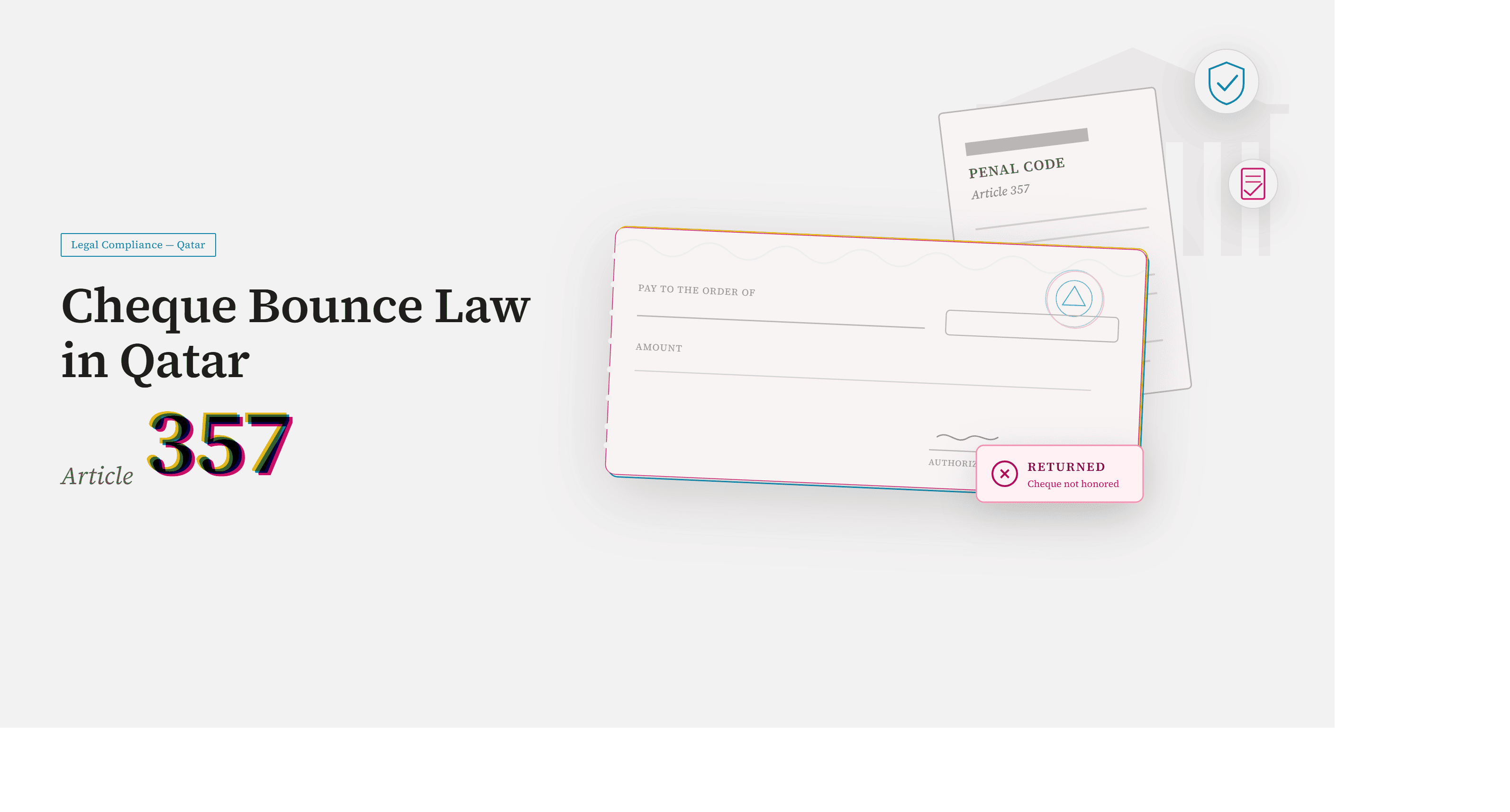
If you are a landlord, property manager, or business owner, you have probably dealt with post-dated cheques.
A post-dated cheque (PDC) is simply a cheque that carries a future date. It cannot be deposited or cashed until that date arrives . This practice is common for rent payments, loan EMIs, vendor contracts, and other recurring payments .
PDCs are a standard banking practice in many countries. Lenders and landlords often collect post-dated cheques in advance—sometimes for the full term of a loan or lease . The reason is simple: it is quicker for banks to recover money through a cheque dishonour case than through a regular civil case for recovery of dues .
But here is the challenge.
Managing post-dated cheques can be complicated. You need to track dates, ensure cheques are deposited on time, and handle bounced or returned cheques. Without proper management, you risk late payments, bank penalties, and unhappy tenants or vendors .
In this guide, I will walk you through everything you need to know about post-dated cheque management. You will learn how to print PDCs in bulk, track them efficiently, and avoid common mistakes.
What Is a Post-Dated Cheque?
A post-dated cheque is a cheque written with a future date. The recipient cannot cash or deposit it until the date written on the cheque . Once that date arrives, the cheque becomes valid and can be processed like any other cheque .
Common uses for PDCs:
- Rent payments – Tenants often provide post-dated cheques for the entire lease term
- Loan EMIs – Lenders collect PDCs for monthly loan repayments
- Vendor contracts – Businesses issue PDCs for recurring vendor payments
- Lease agreements – Property managers use PDCs for rental payments
Why Proper PDC Management Matters
Managing post-dated cheques is not just about keeping records. It has a significant impact on your business operations .
1. Cash Flow Planning
PDCs help businesses plan their cash flow. You know exactly when payments will be received, which helps with financial forecasting .
2. Payment Security
PDCs provide an additional layer of protection. The cheque cannot be cashed immediately, reducing the risk of fraudulent or unauthorised use .
3. Compliance
In some industries, collecting PDCs is a regulatory requirement. Proper management ensures you stay compliant with banking and financial regulations .
4. Avoid Penalties
If a PDC due for clearing is not sent as required, the repercussions are huge. The lending institution loses its payment and may levy penalties such as late fees and insufficient funds charges, which can lead to customer dissatisfaction .
The Challenges of Post-Dated Cheque Management
Managing PDCs is complex. Here are the most common challenges.
1. Tracking Multiple Dates
When you have dozens or hundreds of post-dated cheques, tracking each cheque's date becomes overwhelming. Missing a date means the cheque is not deposited on time.
2. Manual Record Keeping
Many businesses rely on spreadsheets or notebooks to track PDCs. This is time-consuming and prone to errors. It is easy to lose track of payments.
3. Storage and Organisation
Banks and financial institutions often store PDCs in vaults at centralised locations. Sorting and retrieving them when needed is a logistical challenge.
4. Bounced and Returned Cheques
Post-dated cheques can bounce due to insufficient funds or other reasons. Managing bounced cheques requires reversing transactions and communicating with the payer.
5. Multi-Currency Support
If you deal with international payments, managing PDCs in multiple currencies adds another layer of complexity.
How to Manage Post-Dated Cheques Effectively
Here is a step-by-step approach to managing PDCs.
Step 1: Collect and Record Cheques
When you receive a post-dated cheque, record it immediately. Note the:
- Cheque number
- Date on the cheque
- Amount
- Payer name
- Purpose (rent, loan, vendor payment)
Step 2: Organise by Date
Sort cheques by their due date. This helps you know which cheques are coming up for deposit.
Step 3: Set Reminders
Use a system that reminds you when a cheque is due for deposit. This ensures you never miss a date .
Step 4: Deposit on Time
On the due date, deposit the cheque. Note: PDC rules vary by country—check your local banking regulations. In some jurisdictions, depositing a post-dated cheque early may be rejected, while in others it could be processed .
Step 5: Track the Status
After depositing, track the cheque's status—whether it is cleared, bounced, returned, or cancelled .
How Cheqaat Simplifies Post-Dated Cheque Printing
Cheqaat is a desktop cheque printing software that helps you print and record post-dated cheques efficiently.
1. Bulk PDC Printing
With Cheqaat, you can print multiple post-dated cheques in one batch. This is ideal for landlords who need to issue rent cheques for an entire year, or for businesses that need to print vendor payments in advance.
2. Bank Template Support
Cheqaat supports multiple bank templates. This ensures precise alignment on every cheque, reducing bank rejections.
3. Offline and Secure
Cheqaat stores all data locally. Your financial information never leaves your device. This is especially important for managing sensitive payment data .
4. Automatic Record Keeping
Every cheque you print is automatically saved. You can search, filter, and export payment records anytime—making it easier to reconcile payments when cheques clear or bounce.
5. Arabic and English Support
Cheqaat supports Arabic and English cheque fields, making it ideal for businesses in the GCC.
Pro tip: While Cheqaat handles printing and record-keeping, pair it with your calendar or reminder system for due-date alerts. This ensures you never miss a deposit date.
Post-Dated Cheque Management: Spreadsheet vs Software
| FactorSpreadsheetCheqaat | ||
|---|---|---|
| Bulk printing | Manual | ✅ Automated |
| Alignment | Manual adjustment | ✅ Pre-configured |
| Record keeping | Manual | ✅ Automatic |
| Search & export | Limited | ✅ Full search + PDF |
| Security | Local file (unencrypted) | ✅ Encrypted + offline |
Frequently Asked Questions
What is a post-dated cheque?
A post-dated cheque is a cheque with a future date. It cannot be cashed until that date arrives.
Can I print post-dated cheques in bulk?
Yes. Cheqaat allows you to print multiple post-dated cheques in one batch—perfect for rent, loans, and vendor payments.
What happens if a post-dated cheque bounces?
When a post-dated cheque bounces, the bank reverses the transaction. The payer may be charged a penalty, and you will need to contact them for an alternative payment . In some jurisdictions, a bounced cheque can also have legal consequences .
How do I track post-dated cheques?
You can track PDCs using record-keeping software. Cheqaat automatically saves every cheque you print, making tracking simple.
Is my financial data secure with Cheqaat?
Yes. Cheqaat is 100% offline and stores all data locally. Nothing is uploaded to external servers.
Are PDC rules the same everywhere?
No. PDC rules vary by country—some jurisdictions allow early presentation, while others reject it. Always check your local banking regulations .
Final Thoughts
Post-dated cheques are a practical tool for managing recurring payments. But without proper management, they can become a headache.
The key to effective post-dated cheque management is having the right tools and processes in place. You need a system that helps you print cheques in bulk, track payments, and avoid missed dates.
Cheqaat is designed to make PDC printing and record-keeping simple. Whether you are a landlord printing rent cheques for the year or a business issuing vendor payments, Cheqaat saves you time and reduces errors.
Stop struggling with post-dated cheques. Start printing them with Cheqaat.
Download Cheqaat for free today and print your first PDC in under 60 seconds.
Read our guide to printing cheques or bulk cheque printing for more tips.
Built by TROJAN IT SOLUTION PVT LTD